
UV Braille Signage: How to Print ADA-Compliant Braille Signs
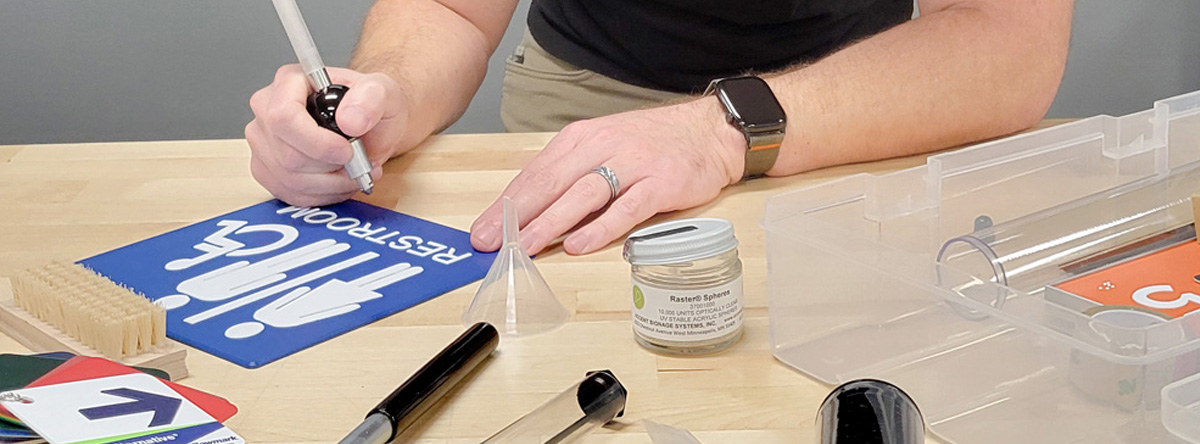
Braille is a crucial piece of creating ADA compliant signage and can be created using certain UV printers or with traditional methods like braille beads. Along with key other accessibility requirements, like color contrast, tactile lettering, and non-reflective elements, braille is one of the key identifying features of an ADA compliant sign.
In this guide, you’ll learn how braille signs are made, what materials work best for creating ADA signage, and if UV printing braille is a good solution for your business.
How Are Braille Signs Made?
In addition to traditional braille beads, UV flatbed printers like the Epson SureColor V4000 offer a modern, efficient way to produce durable, high-quality braille by printing braille directly onto the substrate.
Traditional Methods of Braille Sign Production
The traditional method for creating ADA signage is to use rotary engraving, braille beads and insertion tools, like the Accent Raster System, to manually insert braille beads into an ADA compliant substrate.
How Traditional Braille Works
Step One: Design setup
First, braille text is generated using ADA-compliant translation software. This software ensures that the beads adhere to compliant braille spacing standards.
Step Two: Holes for the braille beads are made
Next, holes are drilled into the sheet material using a rotary engraving system, like the Vision Express.
Step Three: Braille beads are inserted into the sign
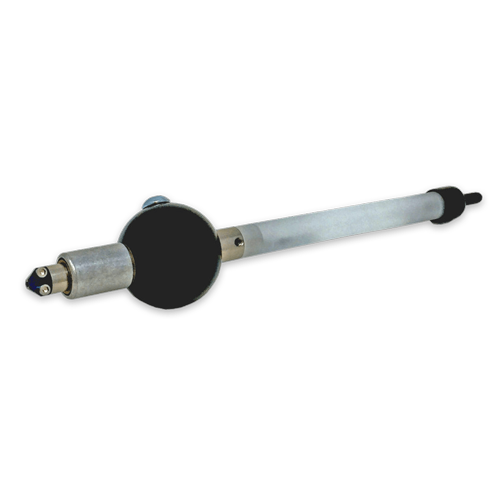
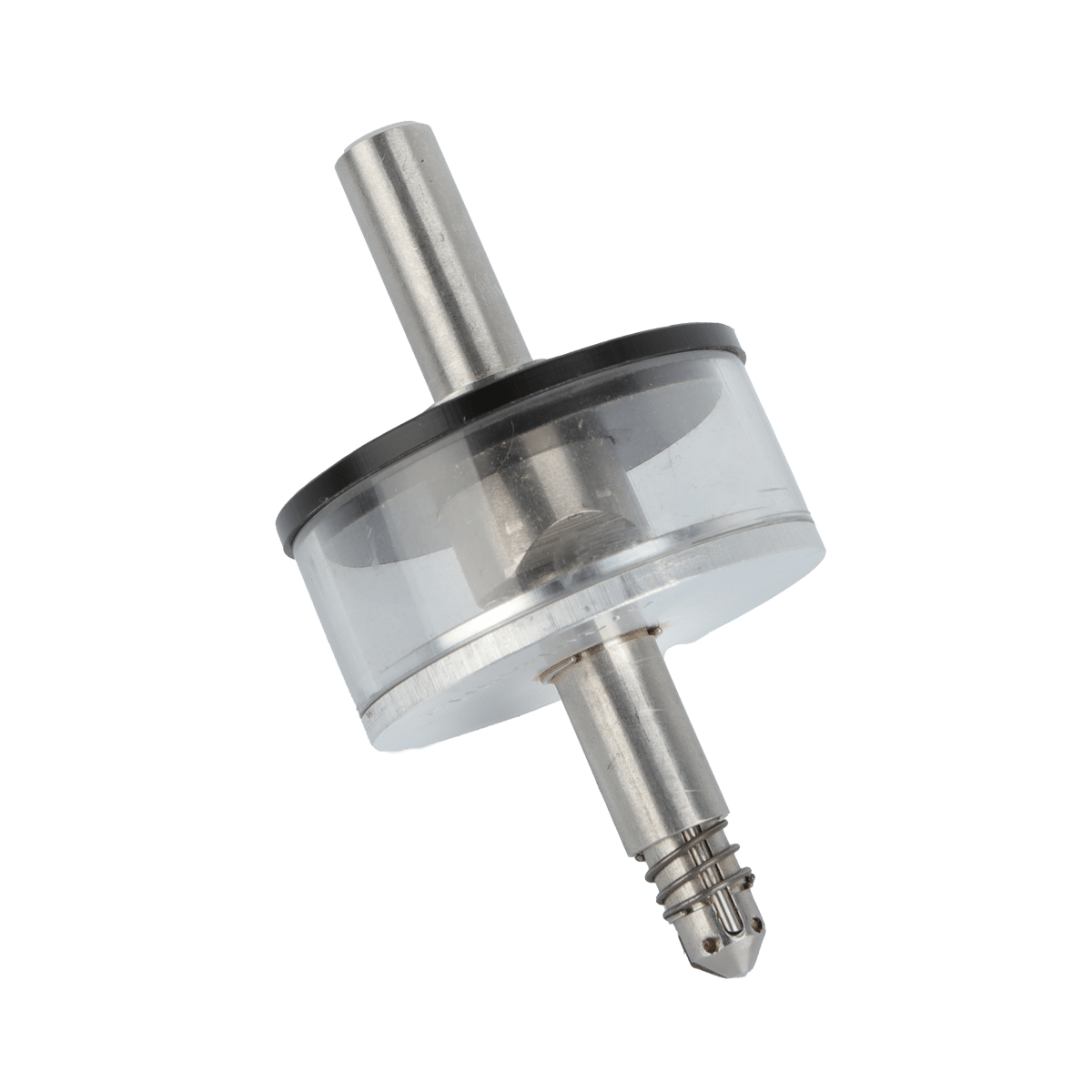
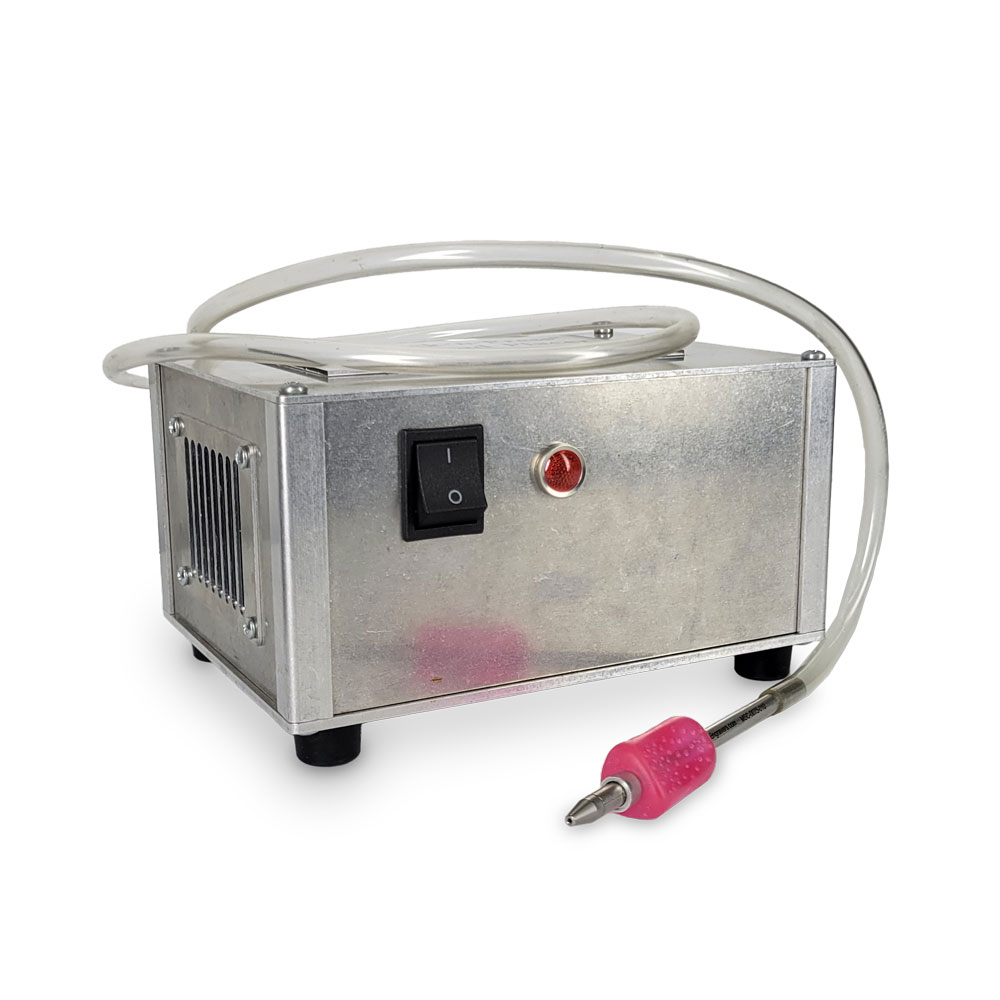
Braille beads are manually inserted into the sign using a braille pen, auto-raster device, or a Pick-n-Press tool.
Modern Braille Production Using UV Printing
In addition to the traditional method for adding braille to signage, UV flatbed printers like the Epson SureColor V4000 have made it possible to print the braille dots directly onto sign substrates using UV ink.
How UV Braille Printing Works
Step One: Design setup
Similar to the traditional braille method, the first step to UV print braille text is generating the text using ADA-compliant translation software
Step Two: Layered ink application
Next, the UV printer deposits multiple layers of ink directly on the substrate to build raised braille dots that are cured instantly with UV light. The precision height control and proprietary technology in the Epson V4000, ensures compliance with the ADA braille dot height requirements.
What Materials Are Used for Durable Braille Signage?
Material Considerations for ADA Compliance
Braille signage requires ADA-compliant sign backers, whether created using braille spheres or printed using UV printers. To ensure compliance and durability, your material should have the following features:
- Non-glare surface finish
- High contrast between text and background
- Proper adhesion for UV ink layers
- Compatible thickness (typically 1/16” to 1/8”)
Explore the large collection of Rowmark sheet materials on jpplus.com that are ADA-compliant and UV printable. Look for the ADA and UV printable icon on the pages.
Other ADA Requirements for Braille Signage
In addition to ADA-compliant sign material or sign backers, braille signage requires braille with specific specifications, tactile lettering, and contrast. You can use tools like online compliance checkers and your specific districts standards to ensure compliancy.
Key Braille Standards
The Epson SureColor V4000 prints braille that complies with the following braille standards:
- Grade 2 (contracted) braille
- Rounded braille dots
- Dot height: typically 0.025–0.037 inches
- Consistent spacing and alignment
Tactile Lettering Requirements
ADA signage also requires tactical elements, like raised text (or applique). This can be achieve by using a thin material, like 1/32” ADA-alternative material.
- Raised characters (not just braille)
- Sans-serif fonts preferred
- Minimum height: 5/8 inch
- Uppercase characters recommended
Is UV Printing the Future of Braille Signage?
While UV printing is quickly becoming a popular method for braille production, each method for creating braille signage has its own merits.
With printers like the Epson SureColor V4000, even smaller sign shops can enter the ADA signage market and produce compliant, professional-grade braille signage in-house.
If you're looking to expand into ADA-compliant signage, UV printing offers a scalable and cost-effective solution. The Epson SureColor V4000 provides the precision, reliability, and versatility needed to produce durable braille signs while streamlining your workflow.
Want to see the Epson V4000 in action?
Speak with a UV printing specialist to learn how you can start producing braille signage in-house.